Hands-on equipment training, real-world product testing, practical guides and original photo stories from Blade Techs jobs.
Training
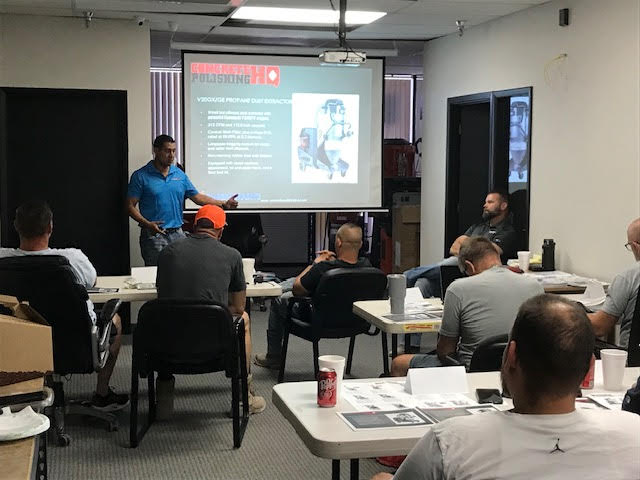
Hands-on equipment training topics
Product Testing
In field evaluation testing and R&D with contractors.
Test Partner
Join an upcoming field trial
Articles & Guides
Masonry Magazine & how-to
Team Support & Training
How can we help your team?
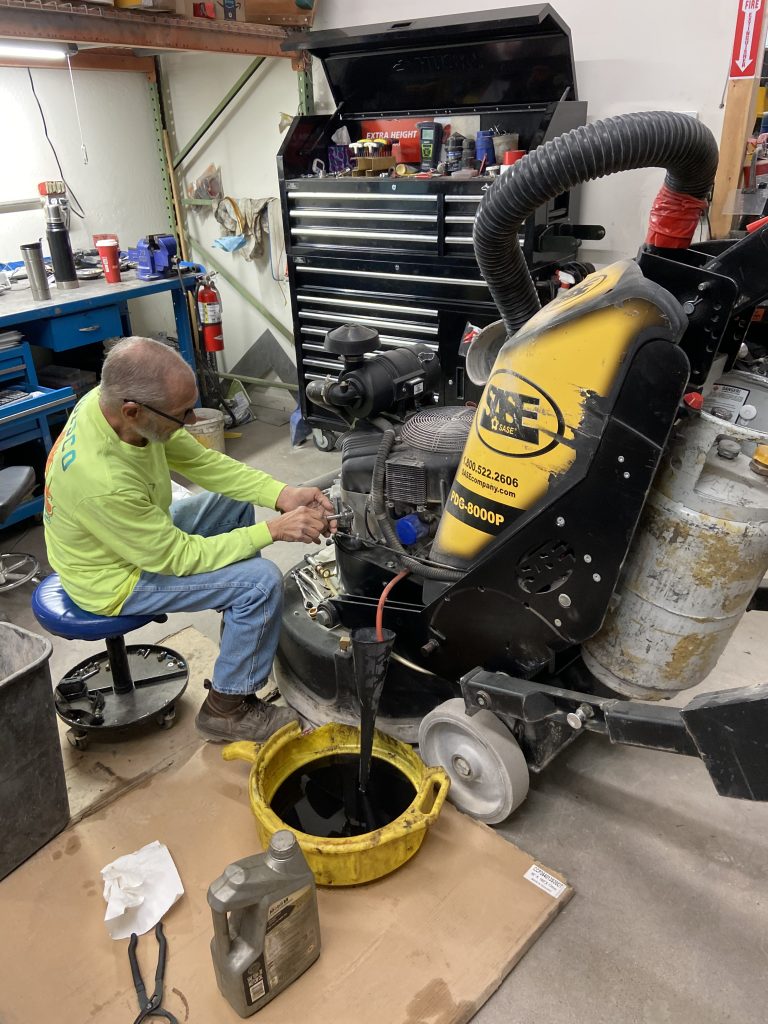
From a new machine’s first day to a product application that isn’t going right, Shaun Kelleher and the Blade Techs team can help your crew get it running the right way.
At Blade Techs, we believe some of the best product improvements come from the people using the equipment and tooling every day.
Through our long-standing manufacturer relationships and ongoing research and development efforts, we’re continually evaluating new diamond blades, tooling, equipment, and product innovations.
We regularly invite customers to participate in field testing, putting new products to work in real-world applications and sharing valuable feedback on performance, efficiency, durability, and overall results.
Your experience helps us identify what works, what can be improved, and where better solutions are needed.
From the Field
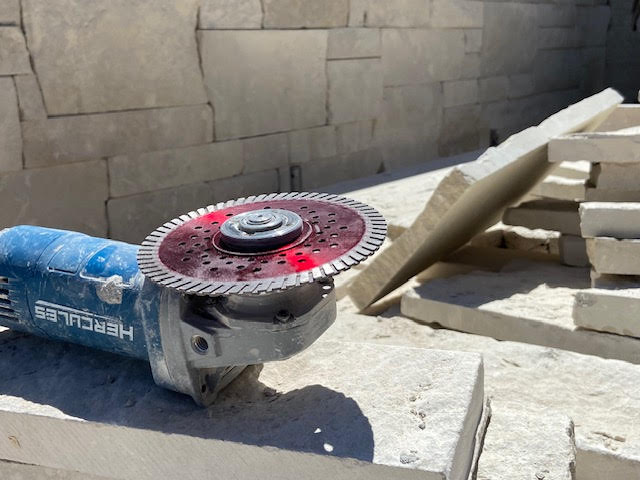
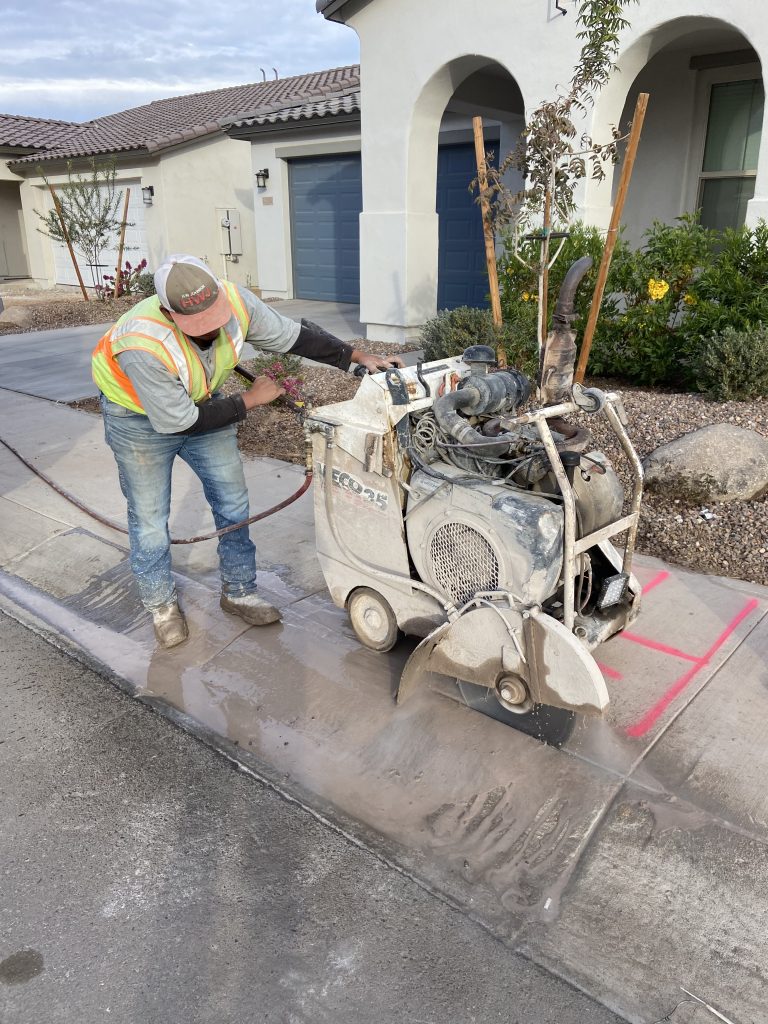
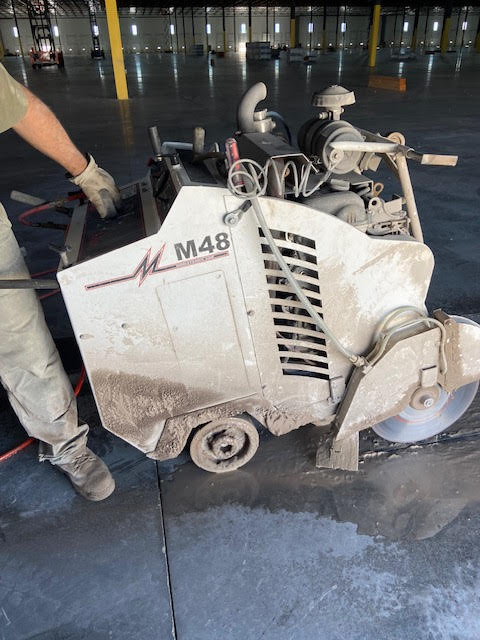
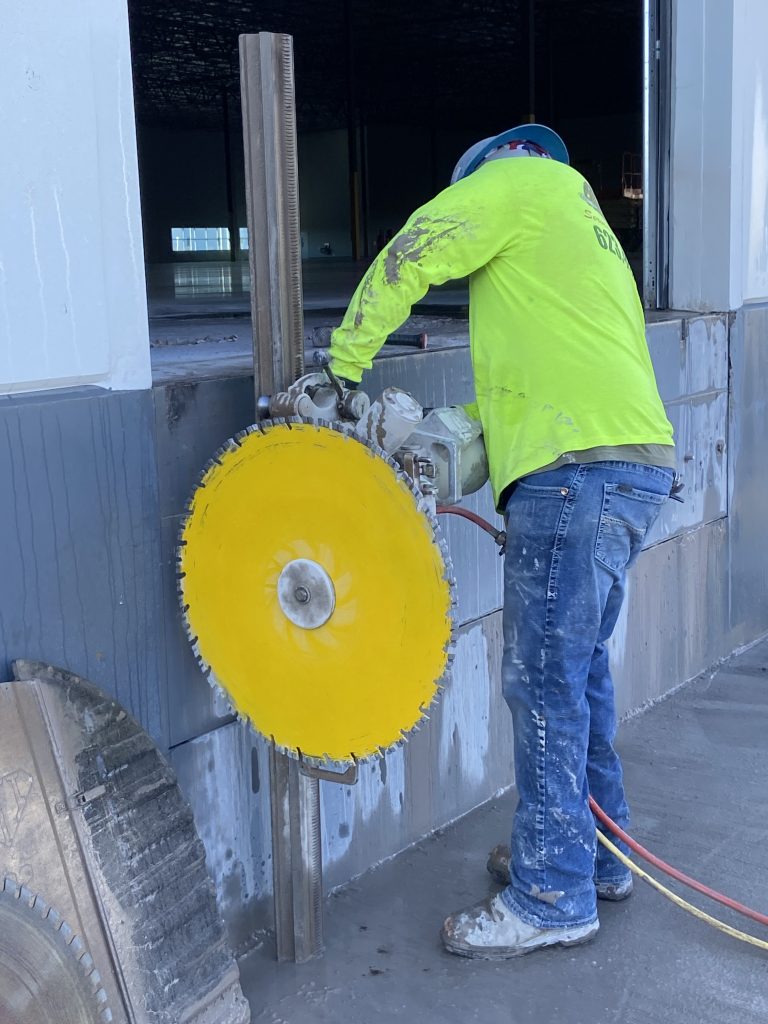
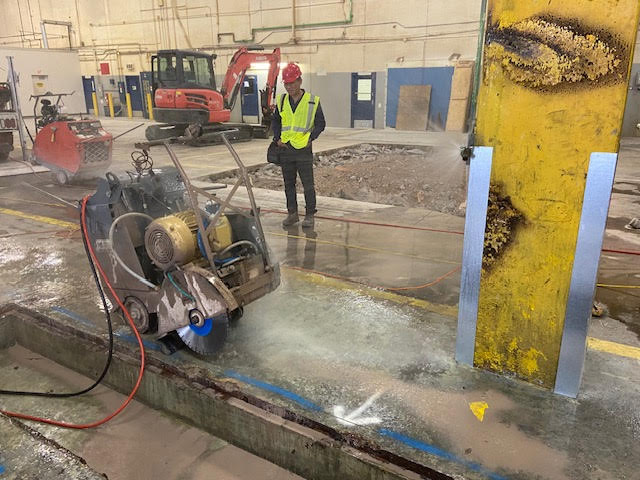
Cured concrete blade testing
Curious what we’re testing?
We’re always exploring new products and improvements, and we welcome the opportunity to work with contractors who enjoy trying new technology and sharing their experience.
Ask us what we’re testing right now or let us know if you’d like to participate in an upcoming field trial.
Diamond Blades
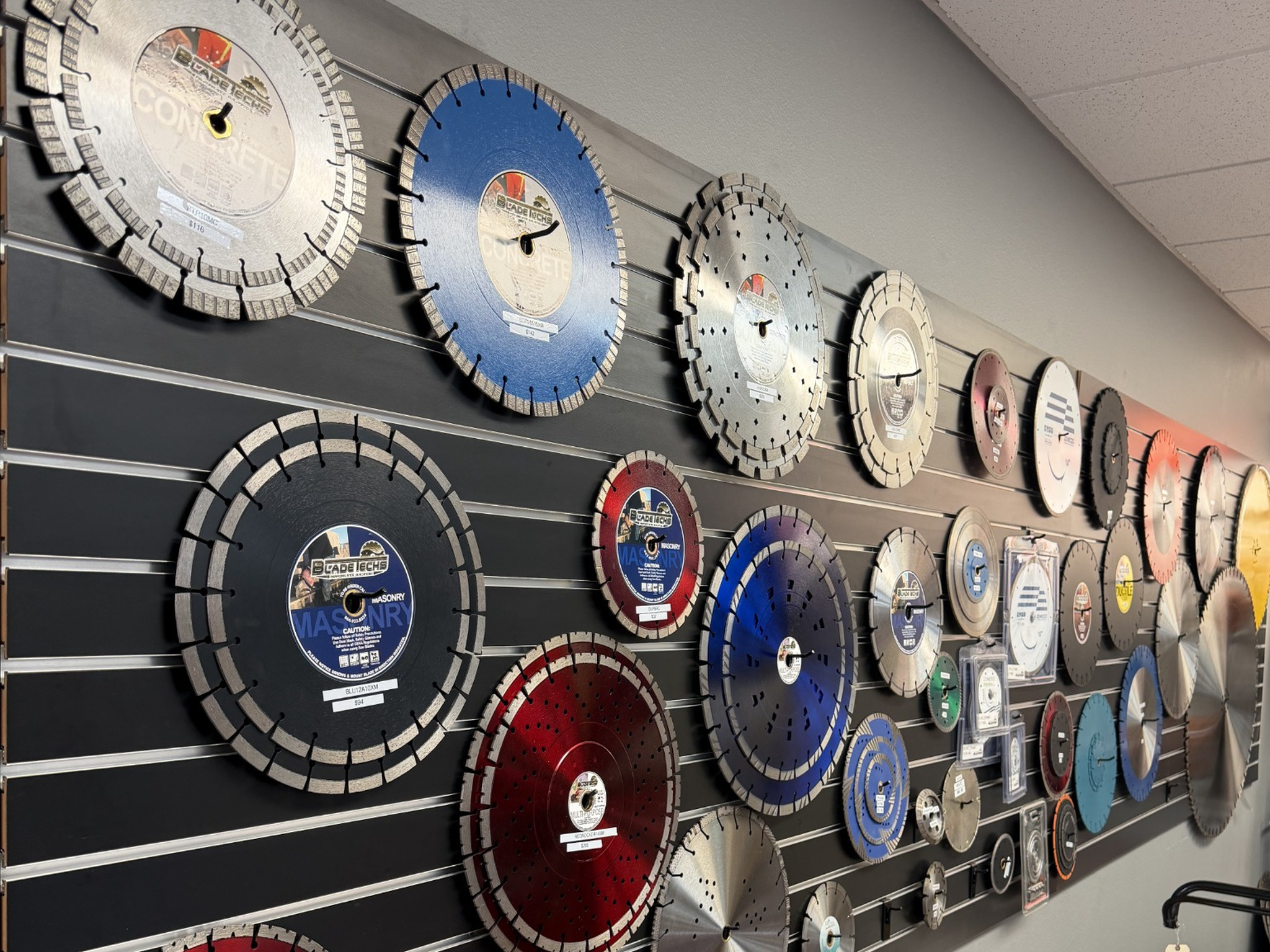
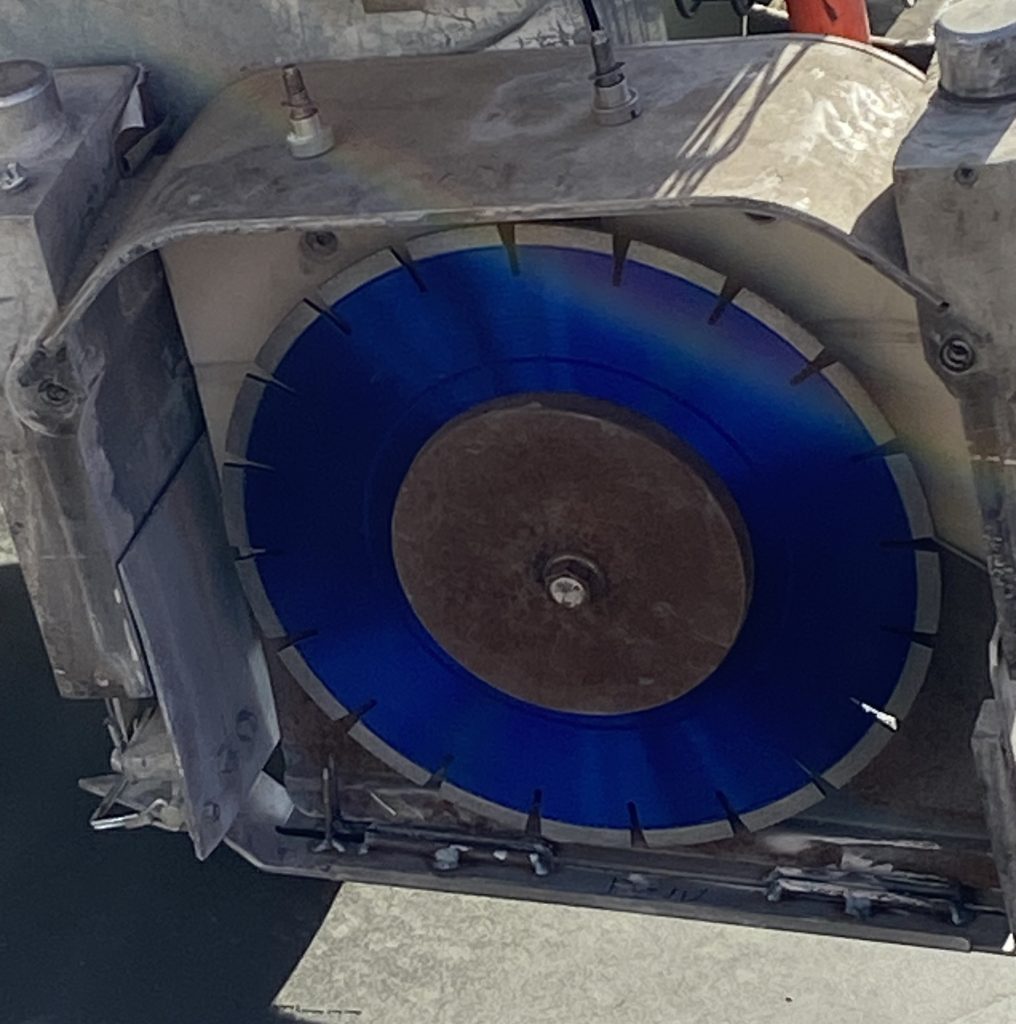
New blades evaluated on real cuts for speed, life and edge quality.
Tooling
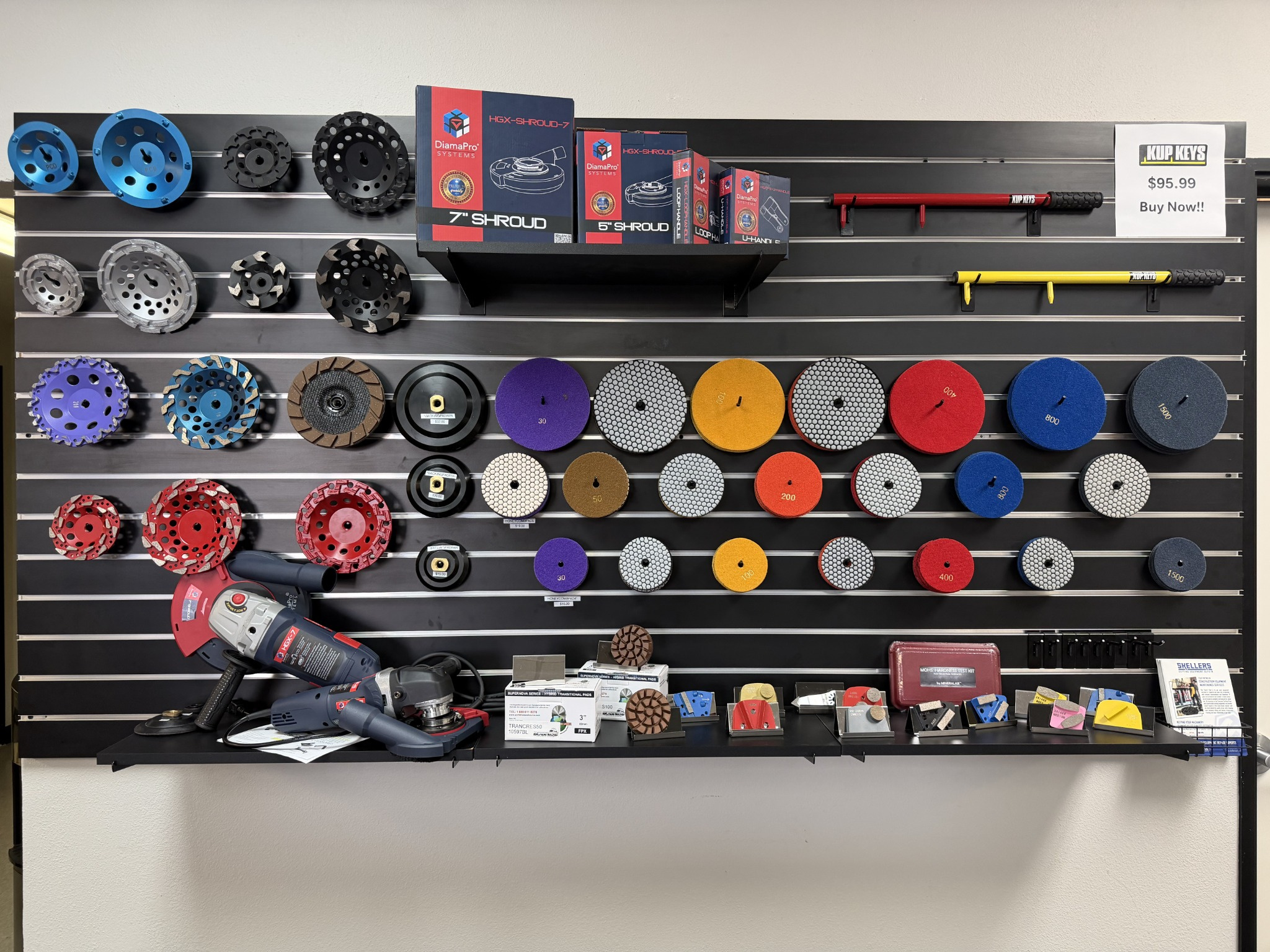
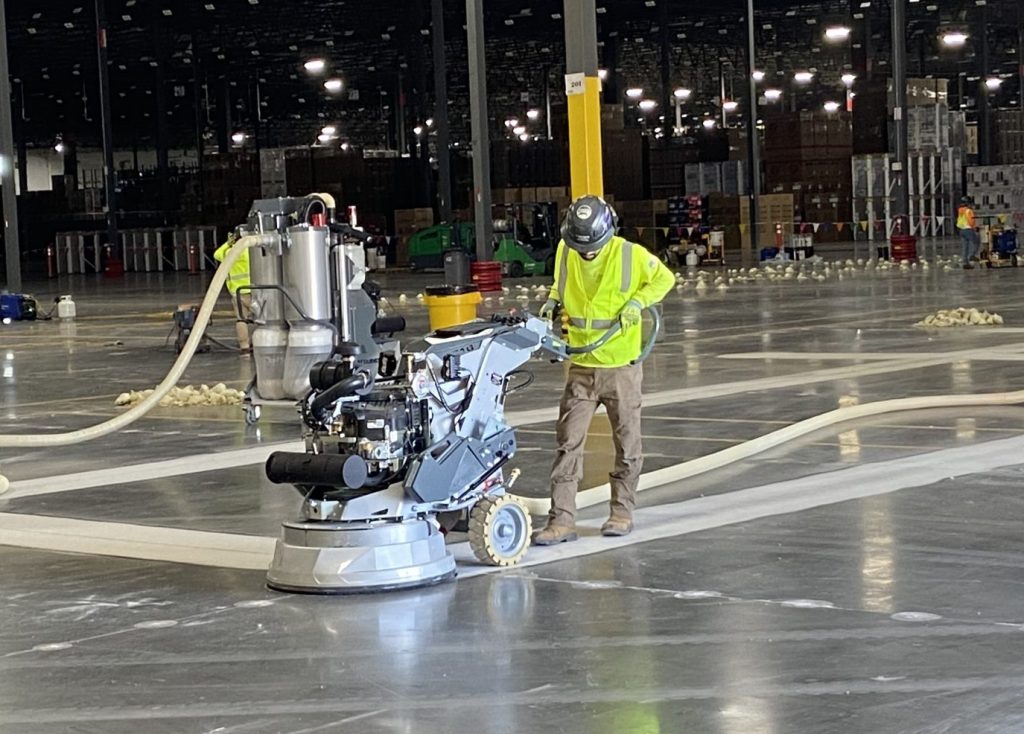
Grinding and polishing tooling run against real surface conditions.
Equipment
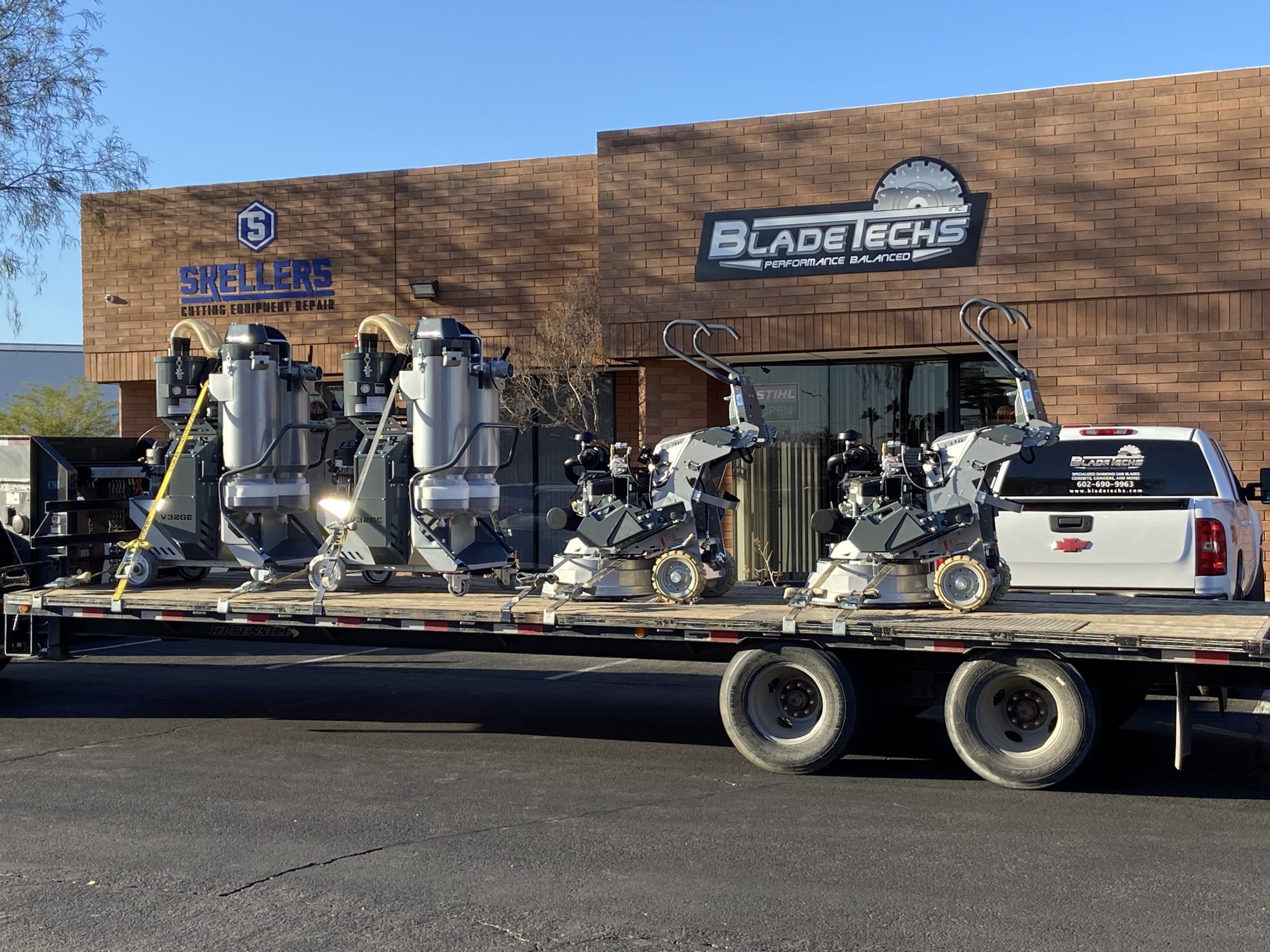
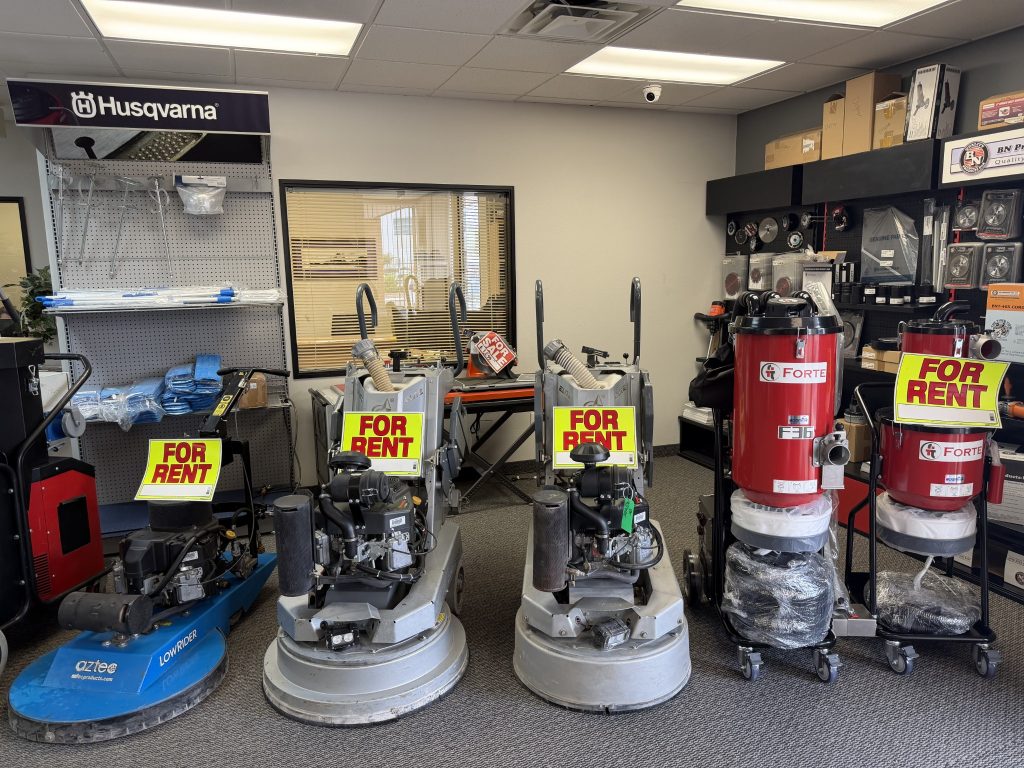
Machines put to work on jobsites before we recommend them.
Product Innovations
Improvements identified with contractors who run them every day.
A rental goes smoother when the setup is planned before pickup. Checklist Square footage and surface condition, so tooling can be matched. Propane: which tank the machine uses and whether you need one. Dust collection to pair with the grinder.
We can’t diagnose before inspection, but good information up front helps us plan parts and the next step. Have this ready Manufacturer and model. Serial number (photo of the plate is ideal). What happened and when it started. Any noises,
Tooling choice depends on what’s on the surface and where you want to end up. Removing epoxy calls for aggressive segments; fine grinding before polish calls for a continuous rim or finer tooling. Tell us Surface condition — coatings, glue,
Water cools the segments, flushes slurry and suppresses dust. Some blades — like many pro walk-behind and wall saw blades — are rated wet only. Running them dry can overheat the segment and damage the blade. Before a dry cut
A blade that cuts well in one material can glaze, wear fast, or chip the edge in another. Before we recommend a blade, we ask about four things. What we ask Material — cured concrete, green concrete, asphalt, masonry, stone,